Looking to turn your executive office into a space that is both functional and inspiring? Properly designing an executive office is much more than a question of furniture: it’s about creating a place that supports strategic decision-making and focus. In this article, we share the keys to a successful fit-out, combining organisation, comfort and a personal touch. Whether you lead a small team or a large company, discover how the layout, lighting, colours and materials can turn your office into a space where productivity and leadership come together.
What are the best practices to design an executive office?
First, the initial step to a successful executive office fit-out is to understand the key elements that shape it. The goal is to create a space that combines function and aesthetics, with a focus on efficiency and comfort. A few important aspects to keep in mind when designing your executive office:
1. Space layout for an optimal executive office
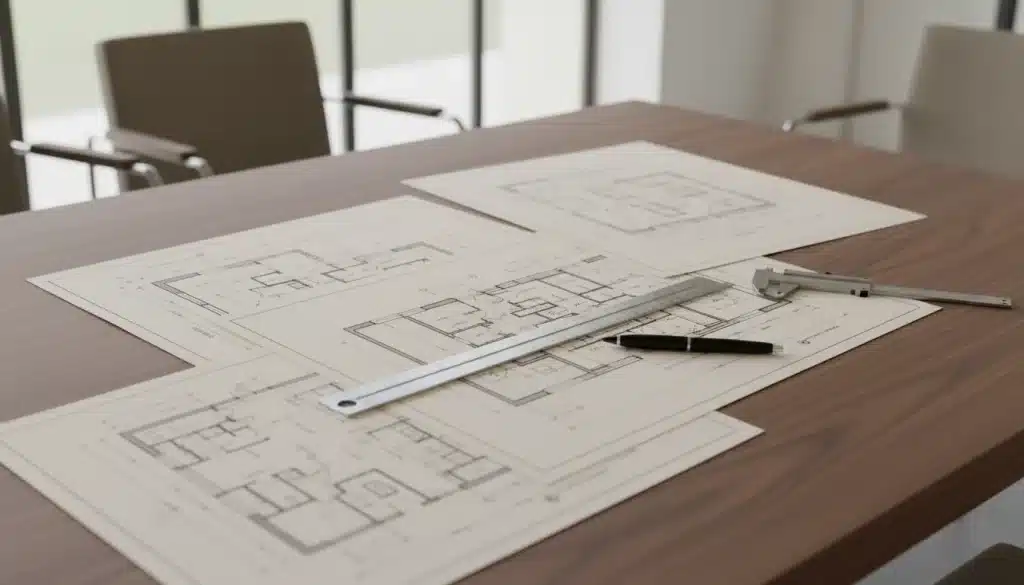
The space layout is key to creating a harmonious and functional atmosphere. Take the time to think about how you want to organise your office. Do you want an L-shaped layout to maximise space or do you prefer a more traditional face-to-face desk setup? Also think about the placement of other elements such as cabinets, shelves and meeting areas.
2. Choosing the furniture
The choice of furniture you pick for your executive office plays a key role in the overall atmosphere of the space. Go for quality pieces that combine style and comfort. An ergonomic office chair is essential to prevent back problems and support a healthy posture. Also invest in a spacious, functional desk with integrated storage to keep a well-organised work environment.
3. The right lighting for your office
Proper lighting is a very important element in any workspace, including an executive office. Favour natural light as much as possible by placing your desk near a window. Complement it with task lighting such as desk lamps to eliminate dark zones and create a warm atmosphere. Don’t forget to choose dimmable bulbs so you can adapt the lighting to your needs and mood.
4. The colours and materials chosen
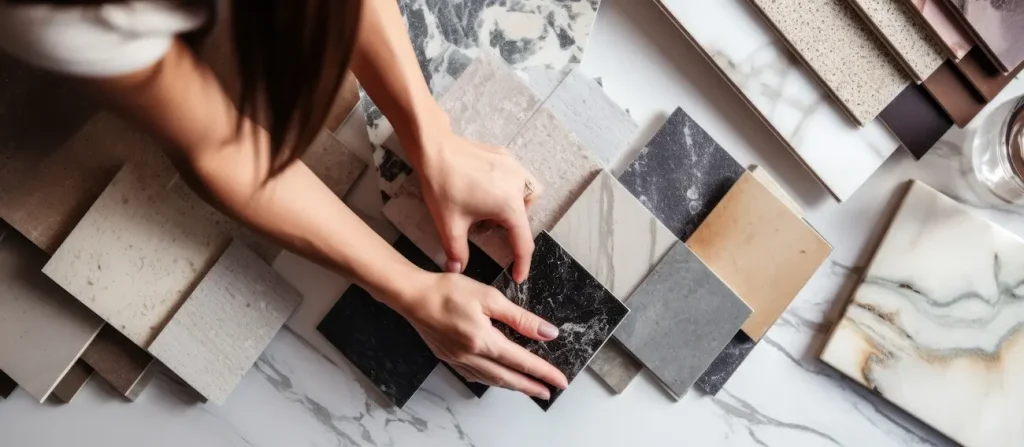
The colours and materials you choose for your executive office can have a significant impact on the overall atmosphere. Go for neutral, calming colours to create a serene, professional atmosphere. Materials such as wood, glass and metal are often used in executive offices for their refined, durable look.
5. Decoration and personal touches
Decoration and personal touches are what will make your executive office unique. They will reflect your leadership style. Add inspiring artworks, green plants to bring life to the space, and objects that represent your interests and achievements. Create an environment that inspires you and highlights your personality.
6. Technology and connectivity
In today’s world, technology and connectivity are essential for productivity. Make sure you integrate the technology needs of your executive office with easily accessible power sockets, well-managed cables and cable-management solutions. We also recommend investing in top-end equipment such as touch screens, video-conferencing systems and secure storage solutions to support remote work and collaboration.
Key takeaways on executive office design
Designing an executive office means creating a work environment that supports focus, efficiency and leadership. By factoring in the space layout, furniture choice, proper lighting, colours and materials, decoration and personal touches, and technology and connectivity, you can create an executive office that inspires confidence and productivity. Don’t forget to personalise your space to match your leadership style and to emphasise organisation and function. We hope our advice has helped you with the fit-out of your executive office.