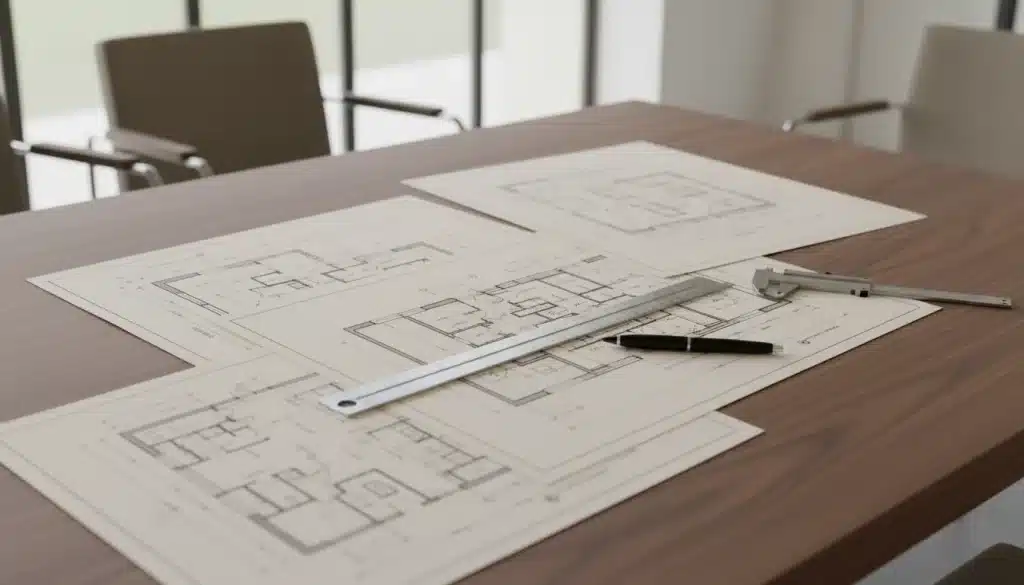
The flex office or shared office is based on sharing workspaces rather than on fixed, assigned workstations. It emerged as a trend in office fit-out and has become a must in corporate organisation methods. However, flex office can’t be improvised!
Les avantages du flex office
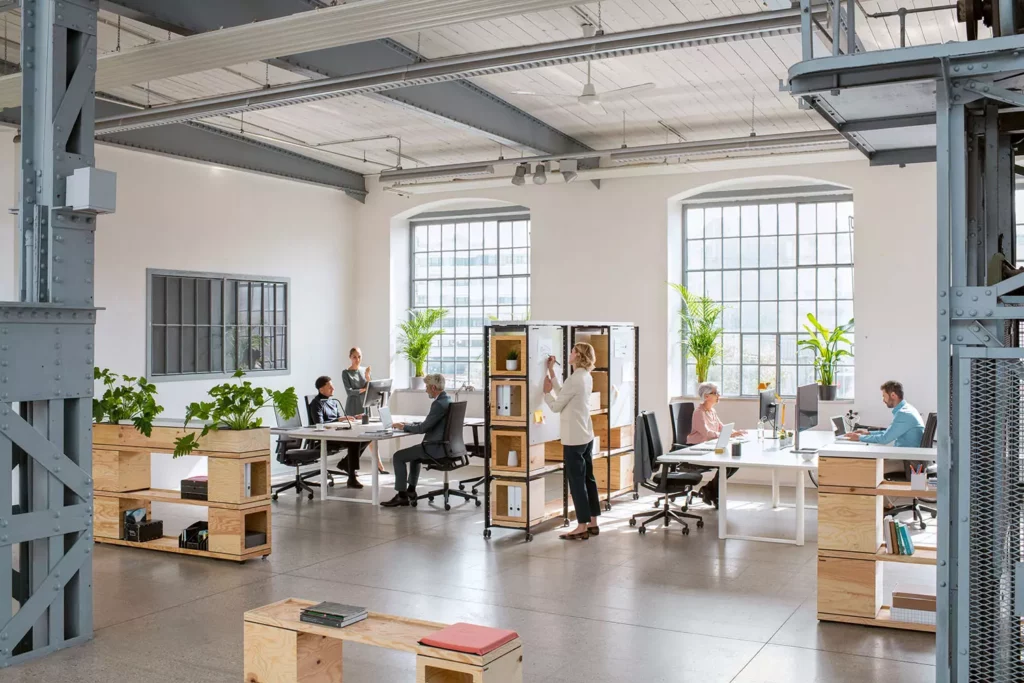
A work environment where every square metre is optimised and enhanced raises the well-being and productivity of its teams.
It also helps attract and retain future talent by strengthening the employer brand, a key factor to stand out in a competitive job market.
There are spaces for every need: conference rooms or meeting rooms, relaxation areas, coworking, acoustic pods, collaborative spaces, meeting employees’ expectations in terms of comfort and flexibility.
The flex office fits fully into the digital transformation of companies.
On one side, it relies on strong IT equipment that ensures smooth connectivity, and on the other, on a hybrid organisation that supports a balanced coexistence between remote work and on-site work.
This model offers greater autonomy to leaders and employees alike, while reducing the stress tied to rigid routines. By changing workspaces regularly, employees escape monotony, which sparks their creativity and energises their professional engagement.
Les points de vigilance du flex office

The flex office calls for a few precautions to be effective and well accepted.
The absence of a fixed desk can unsettle some employees.
That is why it is essential to consider every parameter and to put solutions in place so that each employee can thrive in this flexible environment.
Effective management rests on the use of suitable tools and the creation of varied spaces that meet specific needs: focus, collaboration or relaxation.
How to successfully implement a flex office fit-out?

The flex office, although it emerged with the health crisis, is now a lasting, team-centric model. To make it work, communication must flow at every level. Tracking employees’ presence is essential to anticipate workspace availability.
To ensure the success of this office fit-out, the digital infrastructure must be well designed, giving smooth access to IT tools and allowing the booking of spaces tailored to employees’ needs.
The flex office stands out through the diversity of its spaces: closed offices for privacy and focus, open spaces for collaboration, conference rooms, and even relaxation areas to recharge.
Each type of space meets different needs, which is what sets it apart from a simple open-plan office.
To wrap up, whether in a small or large company, we support you with the implementation of your flex office to ensure a functional and optimised fit-out that delivers real benefits such as time savings, cost reduction, your teams’ well-being and better team productivity.
Trust our expertise and get in touch now.